

The best PhantomBuster alternatives in 2026 are Cadency, Waalaxy, Dripify, Expandi, HeyReach, Dux-Soup, Evaboot, Clay and Unipile. PhantomBuster prices on automation slots and execution hours, from $56 a month on annual billing up to $352, and the reason people look elsewhere is almost never the price. It is that they are renting parts and assembling the machine themselves.
So the first question is not which tool is cheaper. It is which of the three jobs you are using Phantoms for: pulling a list out of LinkedIn, running outreach, or driving both from your own code. Different job, different answer, and this guide is organised that way.
PhantomBuster charges for capacity, not outcomes: slots, execution hours and credits. A campaign that runs longer costs more even if it sends the same messages.
- If the job is outreach, a purpose-built sequencer removes the assembly work entirely. Waalaxy starts at €39 a month on monthly billing, or €19 billed yearly (read on 8 October 2026), Dripify at $39 annual, and Cadency at $199 a month with 5 LinkedIn senders included ($139 on annual billing).
- If the job is exporting a Sales Navigator list, Evaboot does that one thing from $9 a month and nothing else.
- If the job is code, Unipile from 49 EUR a month gives you an account API instead of a workflow builder.
Every price below was read from the vendor's own pricing page in August 2026, unless a later check date is given next to it.
Where PhantomBuster's model stops fitting
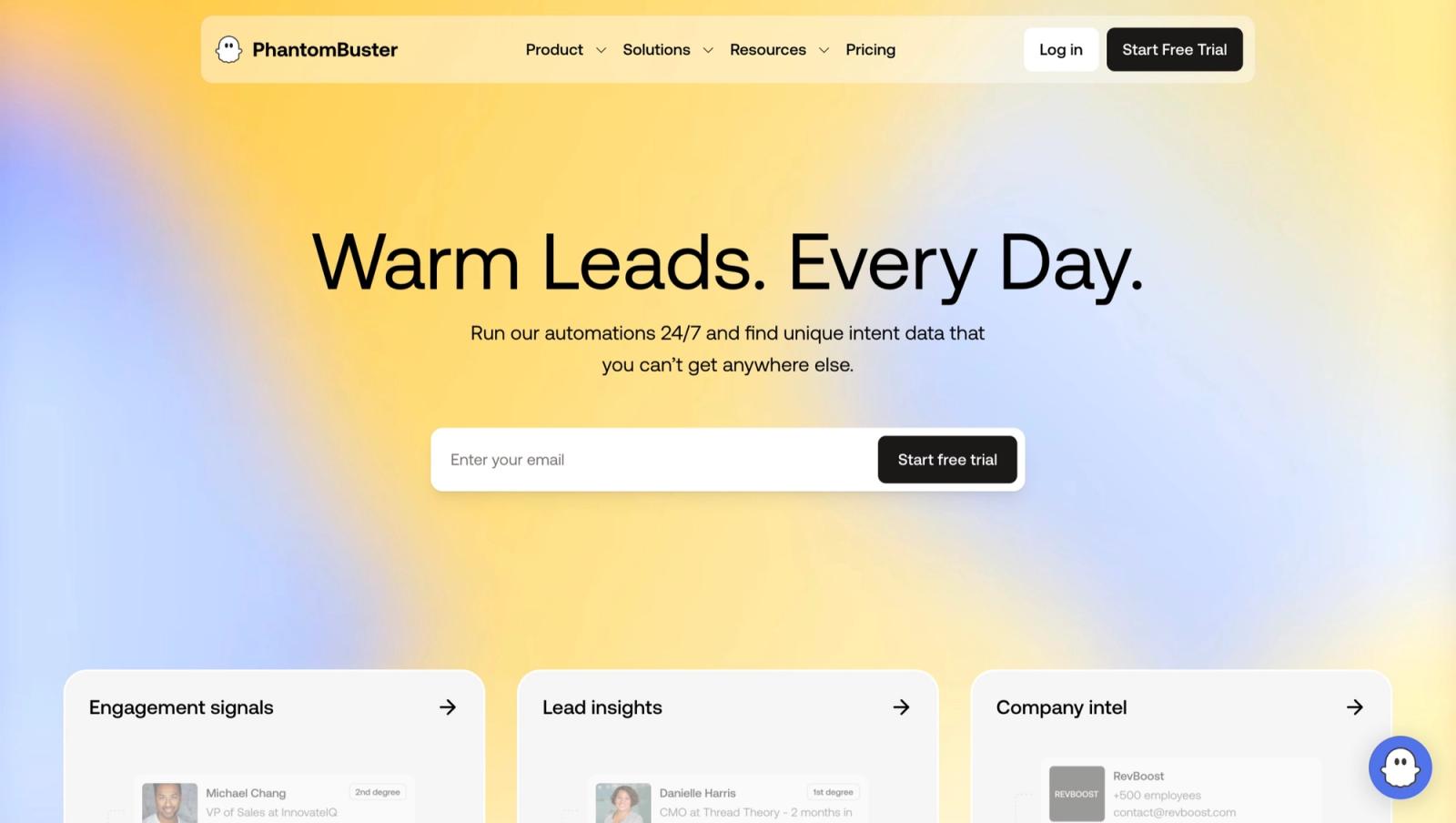
PhantomBuster sells automation slots and execution time. The free trial gives 5 slots, 2 hours of execution, 50 email credits and exports capped at 10 rows. Start is $56 a month on annual billing or $69 monthly, with 5 slots and 20 hours. Grow is $128 annual or $159 monthly, with 15 slots and 80 hours. Scale is $352 annual or $439 monthly, with 50 slots and 300 hours. Every tier now advertises an MCP server.
That model is the whole story. You are buying compute and a library of Phantoms, and you are the one who chains them into something useful: one Phantom to scrape a search, another to extract profiles, another to send connection requests, with the outputs plumbed between them. When it works, it is enormously flexible. When it breaks, it breaks at 2am and nobody gets a message.
The second cost is not on the pricing page. Automations pointed at LinkedIn from a tool you configured yourself carry account risk that a managed sequencer absorbs for you: pacing, daily caps, and what happens when LinkedIn changes a page. LinkedIn's User Agreement also forbids software that scrapes or copies data beyond what it permits, and a Phantom you assembled is your configuration to answer for. Our guide to whether LinkedIn automation is safe covers where that line sits.
It is worth doing the arithmetic PhantomBuster's pricing page does not. Grow at $128 a month buys 80 execution hours, which is about $1.60 an hour of automation. That sounds cheap until you notice that a LinkedIn profile scraper pacing itself safely spends most of that hour waiting on purpose. Slow is the correct behaviour on LinkedIn, and on this pricing model you are billed for the caution. Every per-seat and per-sender tool below charges the same whether the campaign runs fast or slow, which is the structural difference behind most of the price gaps in the table.
All nine PhantomBuster alternatives at a glance
Each vendor's own advertised entry rate in August 2026, with Dux-Soup re-read on 30 September 2026 and Waalaxy on 8 October 2026, annual at some and monthly at others. Read the job column first: half of these are not trying to do what the other half do.
| Tool | Entry price | Priced per | The job it replaces |
|---|---|---|---|
| PhantomBuster | $56 per month annual | Slots and execution hours | n/a |
| Cadency | $199 a month with 5 LinkedIn senders, $139 annual | Sender, in plans of 5 or 20 | Outreach across many senders and mailboxes |
| Waalaxy | €39 per month, monthly billing (€19 yearly) | User | Solo LinkedIn outreach |
| Dripify | $39 annual, $59 monthly | User | Simple LinkedIn sequences |
| Expandi | $99, about $79 annual | LinkedIn account | Mature LinkedIn outreach |
| HeyReach | $79 per sender | Sender | Agency outreach at scale |
| Dux-Soup | $41.25 per seat annual, $55 monthly | Seat | Single-account automation, local or cloud |
| Evaboot | $9 a month | Credits per lead | Sales Navigator exports |
| Clay | Free, then from $167 per month | Actions and data credits | Data gathering and enrichment |
| Unipile | From 49 EUR per month | Connected account | Driving it all from code |
PhantomBuster's row is the only one priced on time. Every other line bills for a seat, a sender, an account or a record, which is why comparing monthly figures across this table without the middle column is meaningless.
If the job is outreach
1. Cadency
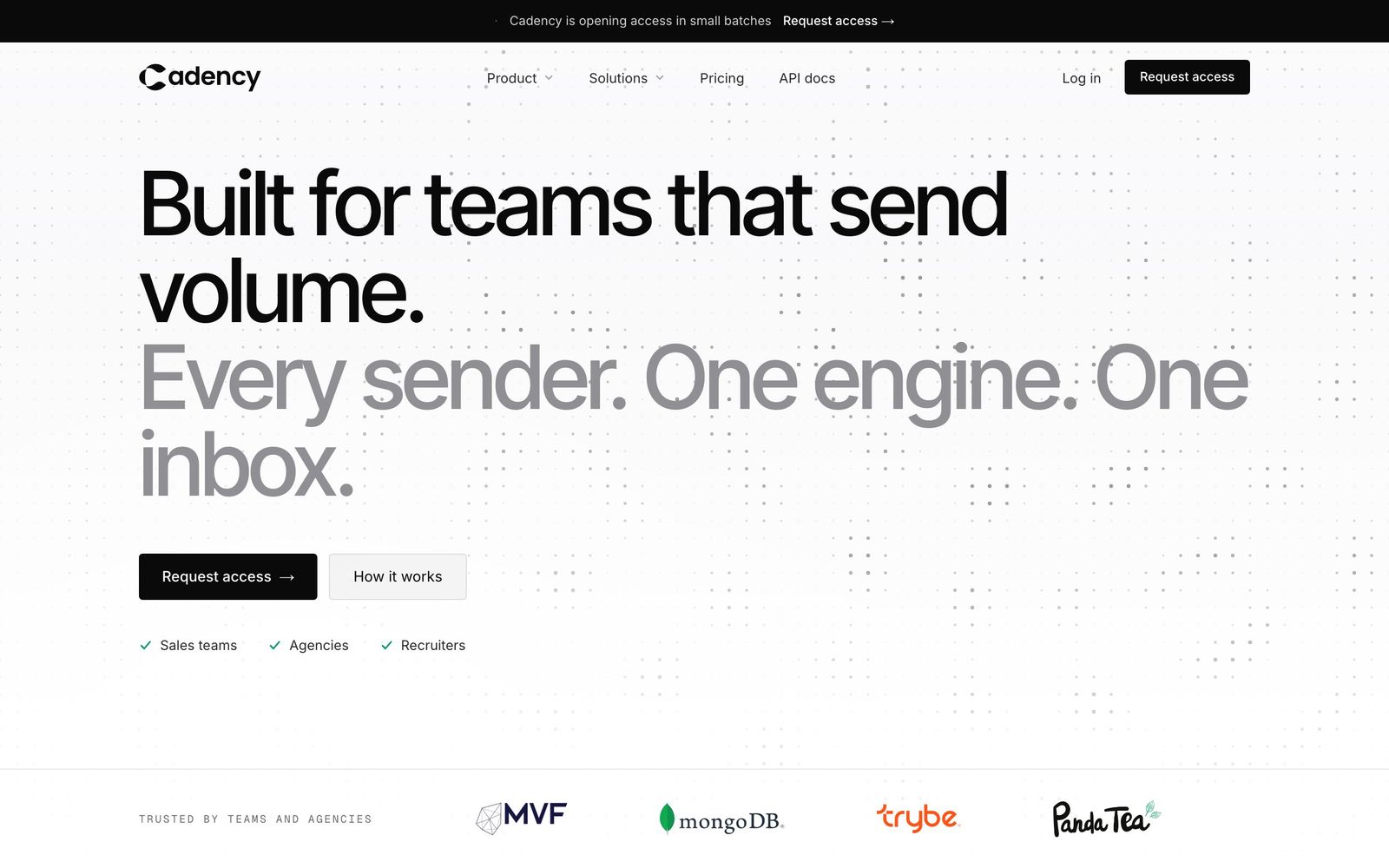
Disclosure: Cadency is our product, built on Swarmhit, and our top pick for teams running several senders. It belongs on this list because it solves the specific thing PhantomBuster leaves to you, which is orchestration: one campaign running across every LinkedIn sender and every mailbox, one sender per lead, with a unified inbox, and per-sender ceilings, pacing and checkpoints handled rather than configured.
Pricing is monthly, with 30 percent off on annual billing: Small Team is $199 a month ($139 annual) with 5 LinkedIn senders and 100k emails a month, and Scale is $699 ($489 annual) with 20 senders and 500k emails a month. Additional senders are billed one by one on either plan, and mailboxes, teammates and workspaces are unlimited on both. An API and webhooks come on every plan, which is the honest comparison against PhantomBuster's own API: campaigns you can drive from code, without assembling the sequence from separate automations.
A native people and company database, waterfall enrichment paid per verified hit, and CSV and Sales Navigator imports let you build the audience without a separate scraping step. That is outreach with data built in, not a scraper: Phantoms that pull data from Instagram, Google Maps or arbitrary sites have no equivalent here.
2. Waalaxy
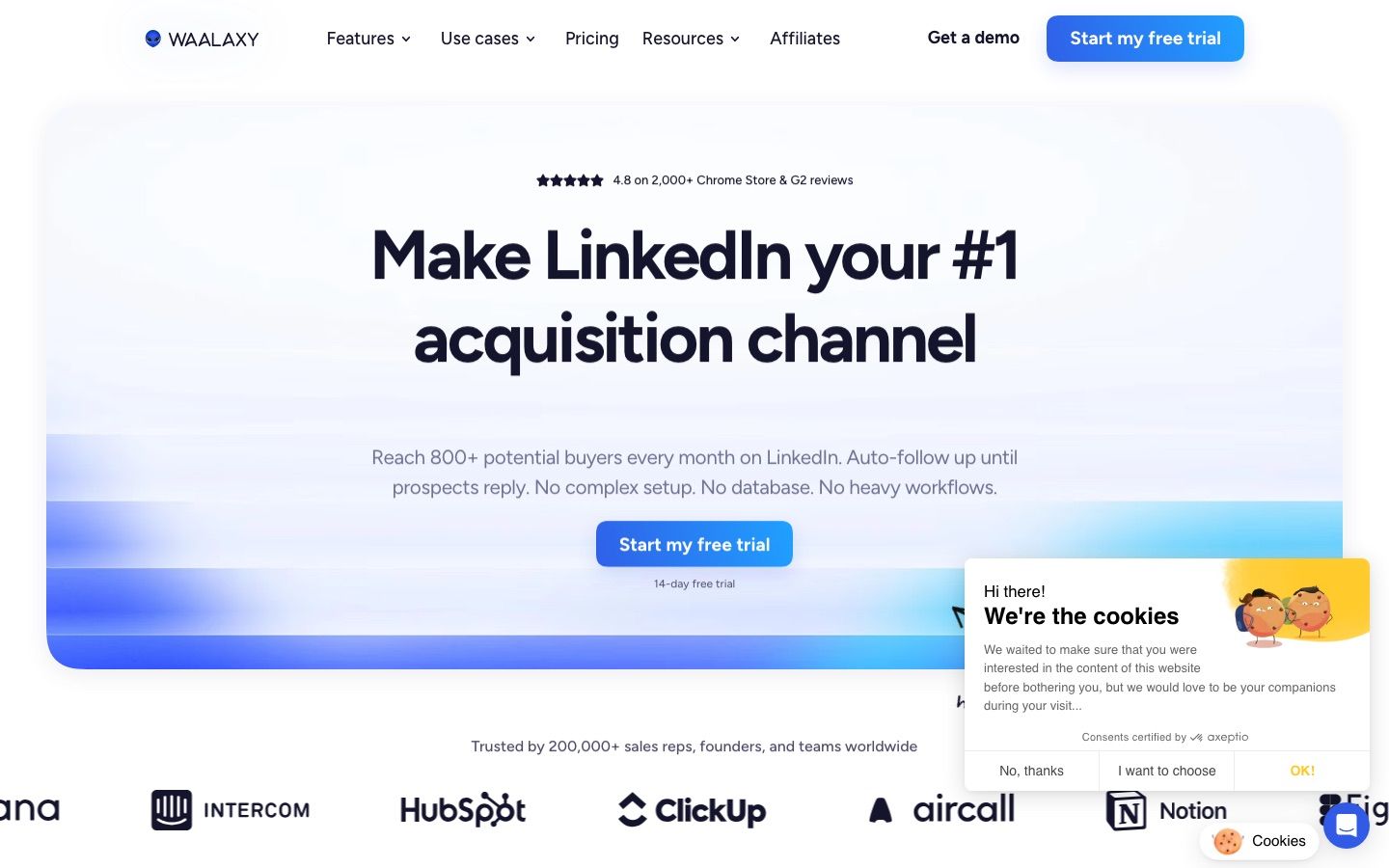
The cheapest way to stop assembling automations. Waalaxy runs three paid tiers per user after a 14 day trial, priced here on monthly billing in euros as read on 8 October 2026: Pro at €39 a month with 300 invitations a month, Advanced at €99 with 800 invitations plus API access and Make, Zapier and n8n modules, and Business at €139, which adds cold email sequences and 500 email finder credits. Quarterly billing takes about 20 percent off and yearly billing about half, down to €19, €49 and €69, and prices vary by country.
Campaigns are built by choosing from a library of prebuilt templates, which is the fastest route to a first campaign in this category and a constraint the moment your logic differs from the nearest template. The unified inbox is a separate paid add-on. If you liked PhantomBuster for its flexibility, this is the opposite trade, and you should know that going in.
3. Dripify
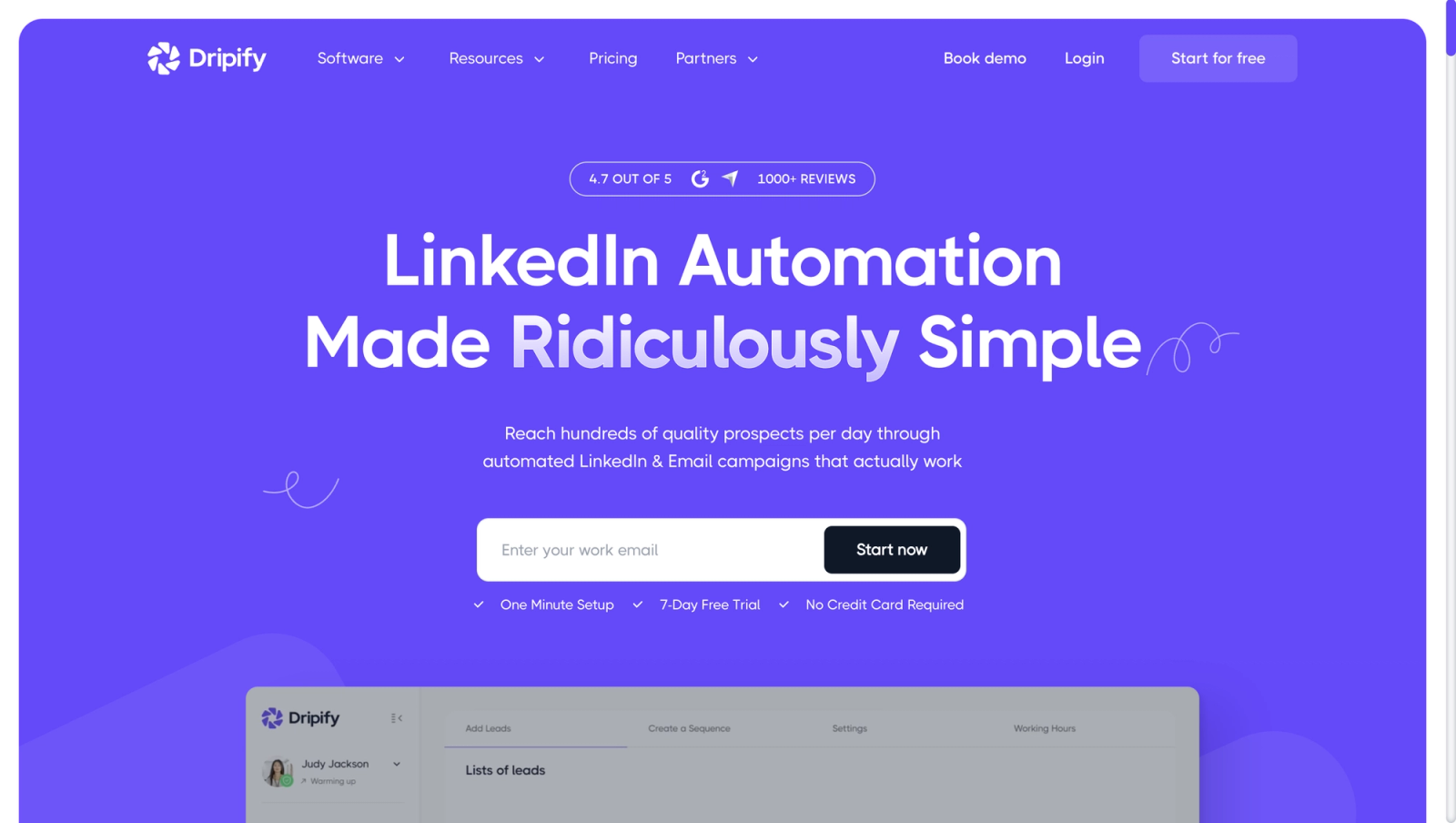
The closest thing to PhantomBuster's flexibility in a managed product: a drag and drop sequence builder where you set the steps and conditions yourself, without owning the plumbing between them. Annual billing runs $39, $59 or $79 per user per month, and monthly billing costs more.
Watch the gating rather than the headline. The entry tier allows one campaign with daily quotas around 20 connection requests and 30 messages, so the working price for a real outreach motion is usually the middle or top tier, not the $39 one.
4. Expandi
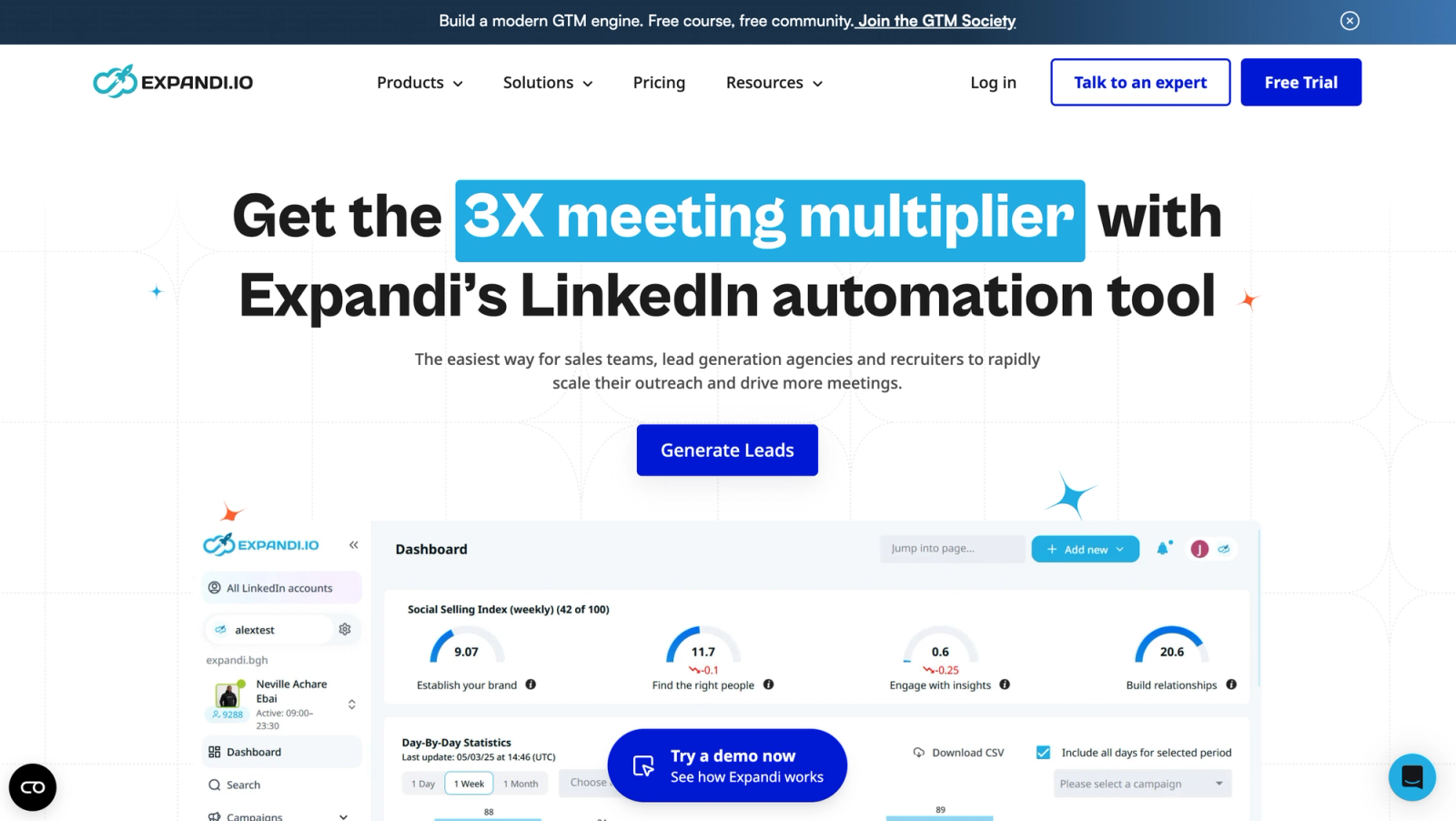
The grown-up version of what most people build badly in PhantomBuster. Expandi lists $99 per month per LinkedIn account, about $79 on annual terms, with a 7 day trial and a custom Agency tier from 10 seats. Warmup and a dedicated country-based IP per account are automatic, and daily limit ranges are yours to tune.
Its known-for feature, personalized images and GIFs inside LinkedIn messages, is sold as an add-on rather than bundled. The pitch against PhantomBuster is simple: the safety infrastructure you would have to assemble and monitor yourself comes switched on.
5. HeyReach
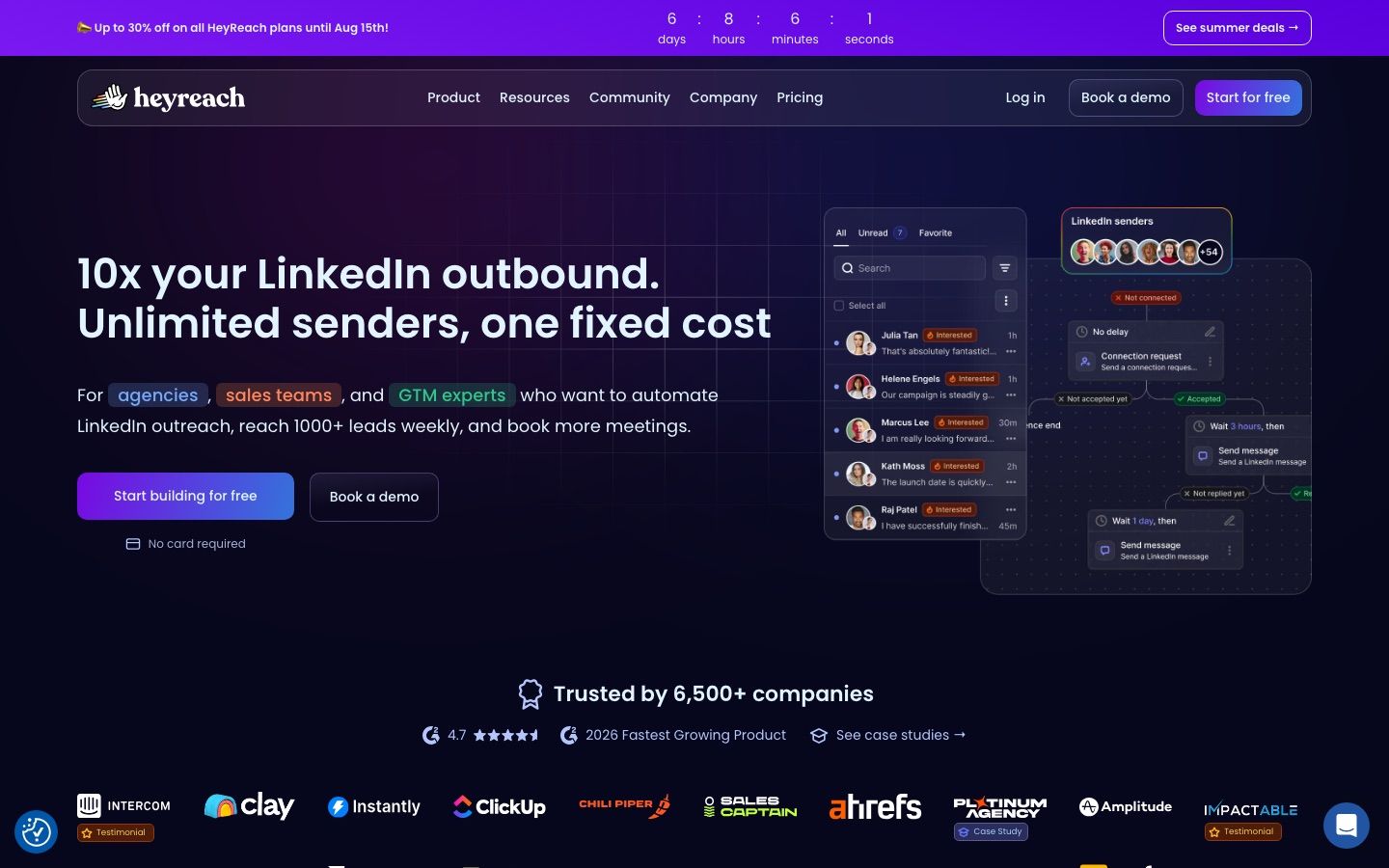
The alternative for anyone using PhantomBuster to run several LinkedIn accounts at once, which is where the DIY approach hurts most. HeyReach prices per sender at $79 a month, dropping to $59 from ten senders, and flattens to $999 for 25 senders on Micro Agency, with whitelabel and 1,000 enrichment credits, then $1,399 for 50 senders on Agency (tiers as read on 26 September 2026). An API, webhooks and an MCP server ship on every plan.
Its pricing page sells enrichment credits rather than a searchable contact database, so audiences still come from Sales Navigator or a data provider by CSV. Compared with PhantomBuster it trades breadth of automation for depth in one channel.
6. Dux-Soup
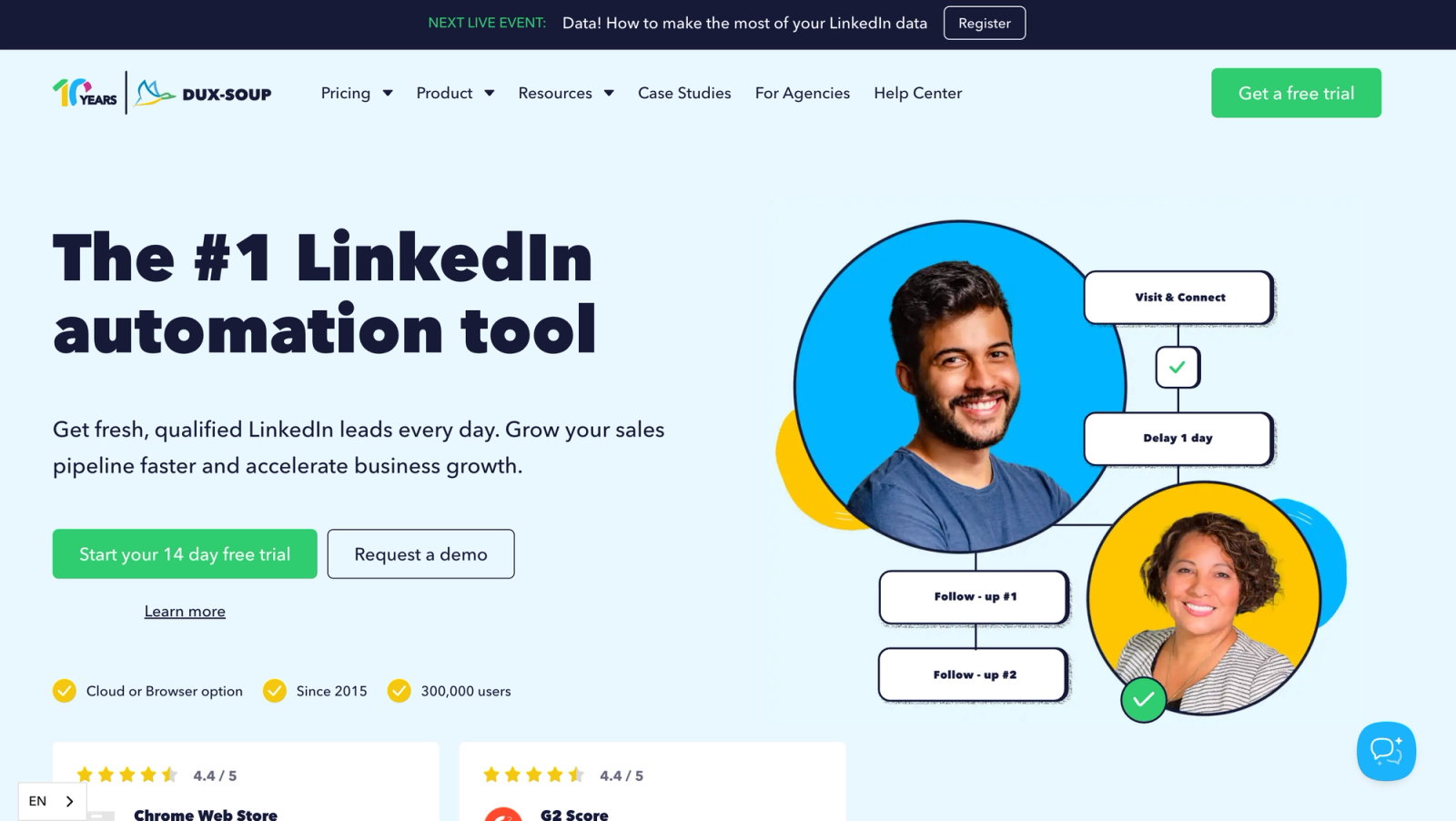
No longer the cheapest managed alternative, but still the one closest to PhantomBuster's early spirit. Dux-Soup is now sold as STACKED, and its older Pro, Turbo and Cloud Chrome extensions are deprecated: STACKED local, a desktop app for Mac and Windows, is $55 per seat a month or $41.25 on annual billing, and STACKED cloud runs $99 or $74.17 annual. There is no longer a flat agency plan on the pricing page; seats are priced individually, with 10 percent off per 10 seats up to 50 percent, all as read on 30 September 2026.
The local edition runs on your own machine, which is the same architectural trade PhantomBuster users already understand: cheaper, and only running while your computer is. Dux-Soup describes the Agency plan as one dashboard over an unlimited number of LinkedIn accounts, which is a different delivery model from one campaign orchestrated across a pool of senders, and worth pricing on that difference rather than on the monthly figure.
If the job is getting data out
7. Evaboot
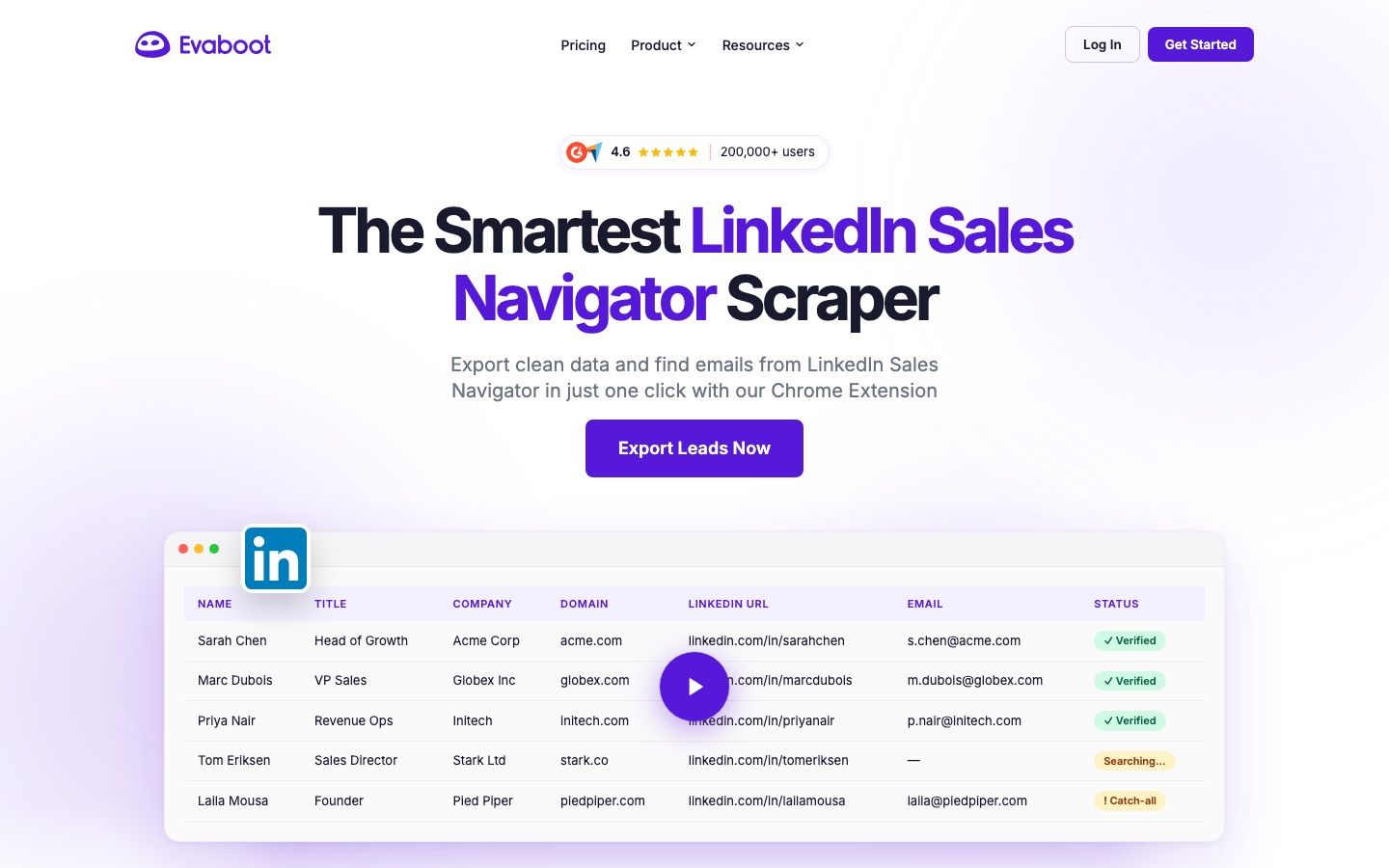
If the only Phantom you actually rely on is the Sales Navigator exporter, this replaces it and costs almost nothing. Evaboot exports and cleans a Sales Navigator search, finds and verifies emails, and prices on a slider from $9 a month for 100 credits, with unlimited seats and credits that roll over.
The credit maths is published: one lead or account exported costs one credit, one email found and verified costs one, and a lead with a verified email costs two. Two constraints matter. It needs a Sales Navigator account, and it does not work on free LinkedIn or on Recruiter. And it holds no database, extracting live and returning professional emails only.
8. Clay
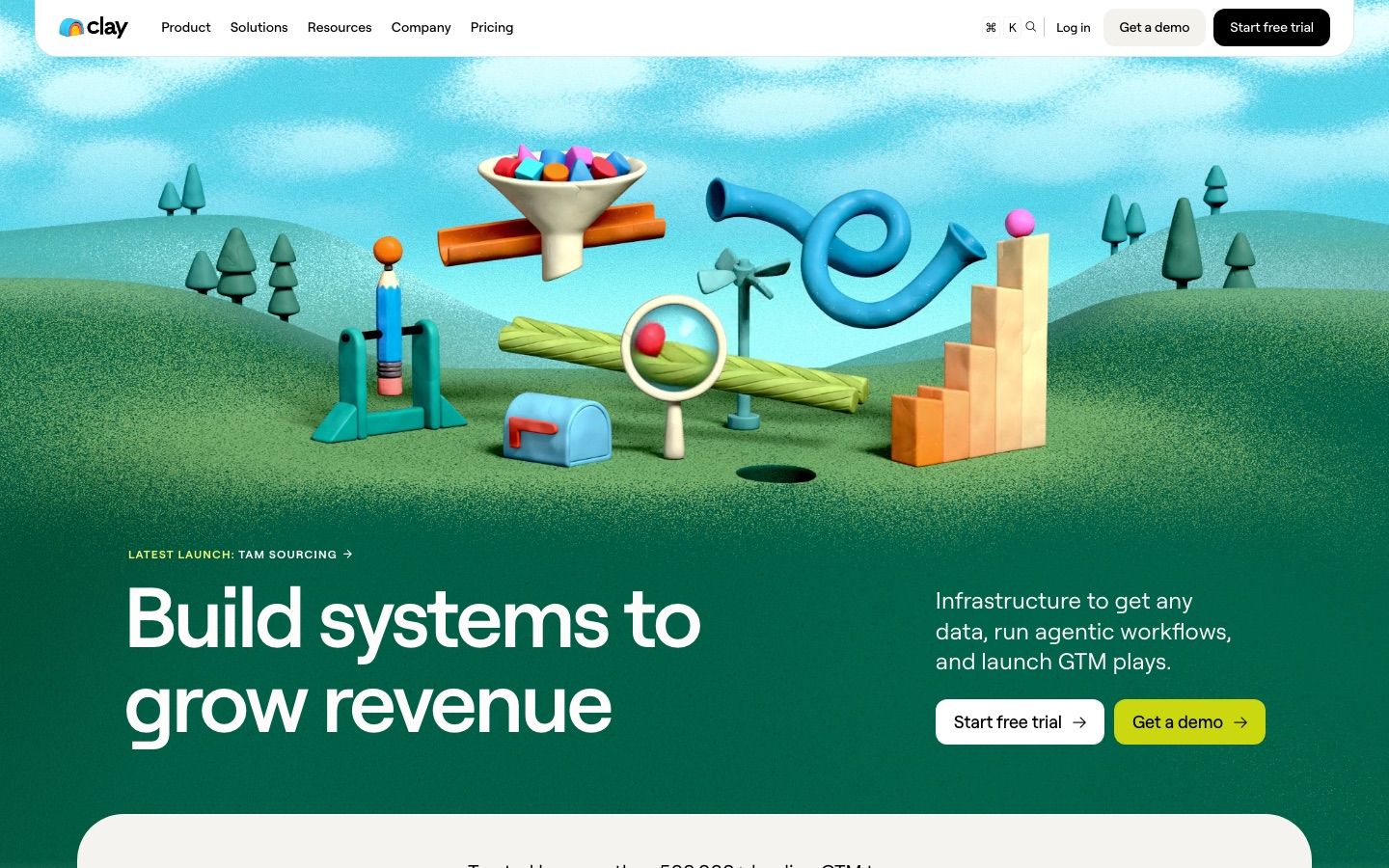
Where PhantomBuster scrapes, Clay queries. It runs waterfalls across dozens of data providers, retrying a contact against the next source when the first misses, and prices in credits from $167 a month on annual billing for Launch and $446 for Growth, with a free tier to learn on.
For teams whose Phantoms exist to build enriched lists rather than to send anything, this is the straight upgrade, and it carries none of the account risk that comes with automations pointed at LinkedIn. The cost is that every result it returns is metered, so a large segment shows up as spend, although a lookup that returns nothing is not charged, as read on Clay's pricing page on 30 September 2026. Our guide to the Clay alternatives covers where that stops being worth it.
If the job is code
9. Unipile
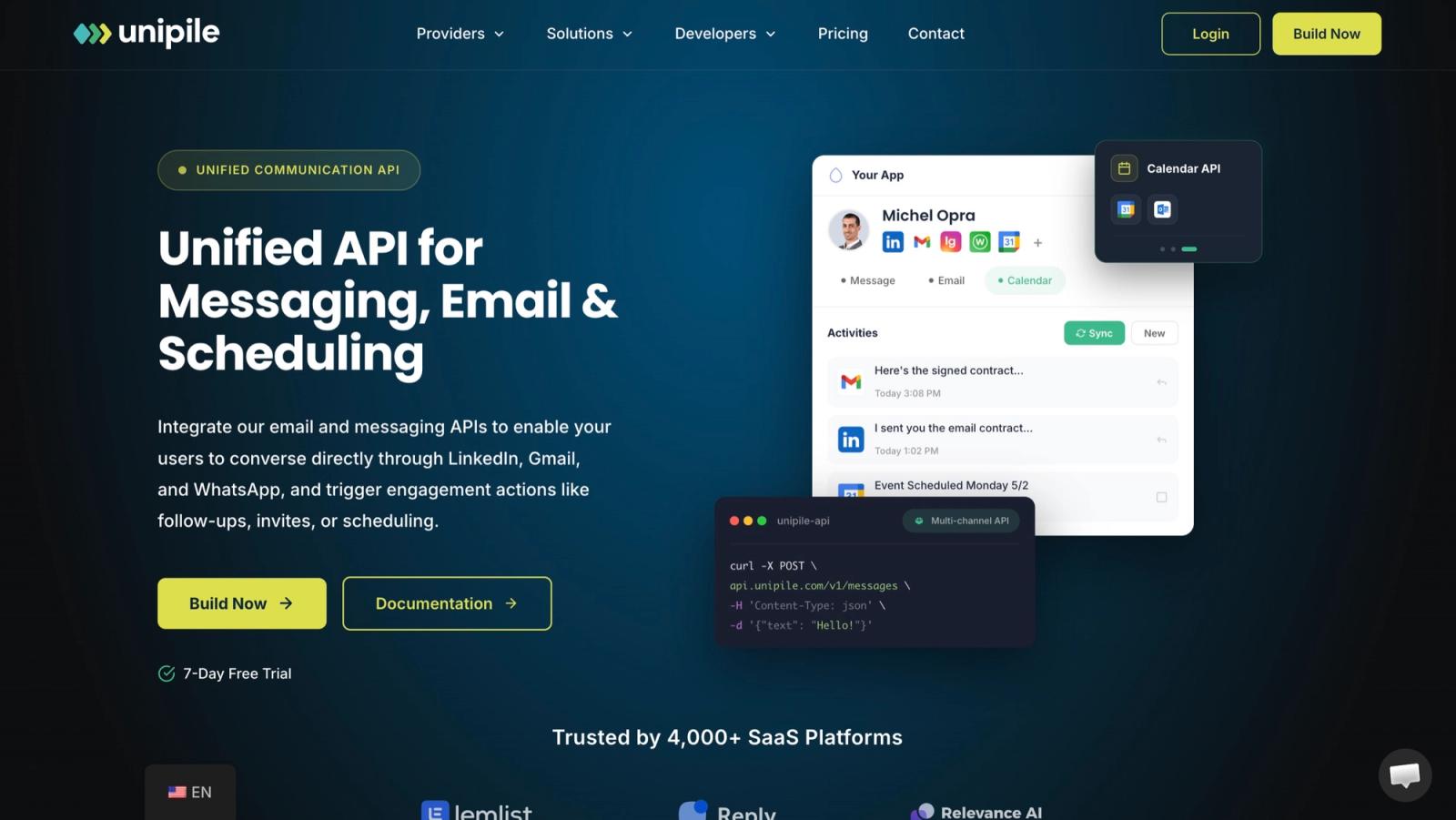
The alternative for developers who were using PhantomBuster as an unofficial API. Unipile is a real one: a multichannel account API across LinkedIn, WhatsApp, Instagram, Telegram, email and calendars, priced per connected account from 49 EUR a month covering up to 10 accounts, then 5 EUR per additional account up to 50 and less beyond that, as read on 30 September 2026.
What you get is clean primitives: send a message, read an inbox, fetch a profile. What you do not get is a sequencer, safety judgment or an inbox UI, all of which you build. That is the correct trade if you are embedding LinkedIn actions in your own product, and the wrong one if you wanted a campaign tool. Our comparison of the Unipile alternatives covers the rest of that category.
Use this shorter decision matrix after the detailed comparison. It maps the job currently handled in PhantomBuster to the alternative that requires the least category compromise.
| Current PhantomBuster job | Start with | Reason |
|---|---|---|
| Managed LinkedIn outreach | Cadency | Campaigns across LinkedIn and email, one inbox and a proxy per sender in one product |
| Agency campaign operations | HeyReach | Workspaces, permissions and unified inbox |
| Visual data workflow | Clay | Flexible enrichment and orchestration |
| LinkedIn actions inside a product | Unipile | API primitives rather than a campaign UI |
| Low-cost operator-led automation | Linked Helper | Granular local execution and exports |
Two that nearly made the list
Octopus CRM has the lowest sticker price in the whole space, though not the lowest usable one: $6.99 a month on annual billing, which takes 35 percent off. Read the tier before you budget: Starter buys personalized auto invites and a personal CRM, bulk messaging and profile views start at Pro at $9.99, and the funnel builder waits until Advanced at $14.99. Even then it builds simple funnels rather than branching sequences, which is why it sits below the entries above rather than among them.
Linked Helper runs at $15 a month for its local storage version, $8.25 on 12 month billing, with a genuinely different architecture, a desktop application rather than a cloud service or browser extension, which the vendor frames as safer because no code is injected into LinkedIn pages. The trade is operational: campaigns run while your machine does. Both appear in our MeetAlfred alternatives guide, which ranks this category purely on cost.
What none of these replace
Two things keep people on PhantomBuster after they have priced everything else, and a list that pretends otherwise is not much use.
The first is reach beyond LinkedIn. PhantomBuster automates Instagram, Twitter, Google Maps and a long tail of other sources, and every dedicated tool above is confined to LinkedIn and email, to data or to an API. If your workflow genuinely spans platforms, the box of parts is the product, and the closest replacements are general scraping platforms rather than anything on this list.
The second is the odd job. The value of a large Phantom library is that when a one-off task appears, something in it usually fits. A purpose-built sequencer does one thing well and refuses the rest. Teams that leave and then miss PhantomBuster almost always miss that flexibility rather than a feature, which is a good argument for keeping a cheap Start plan beside whatever you move the main workflow to.
How to pick without buying twice
Open your PhantomBuster account and look at which Phantoms actually ran last month. That list is the answer:
- Mostly search and profile scrapers, feeding a spreadsheet: Evaboot if it is Sales Navigator, Clay if it is enrichment across sources.
- Mostly connection requests and messages on one account: Waalaxy, Dripify or Dux-Soup, by how much sequence logic you need.
- The same automations duplicated across several accounts: Cadency or HeyReach, because that duplication is the problem they exist to remove.
- Called from your own scripts rather than the UI: Unipile.
The one thing not to do is replace PhantomBuster with a cheaper version of PhantomBuster. If the assembly work was the problem, a different box of parts is not the fix.
FAQ
What price are PhantomBuster alternatives measured against?
PhantomBuster runs $56 a month on annual billing or $69 monthly for Start, $128 annual or $159 monthly for Grow, and $352 annual or $439 monthly for Scale. The free trial gives 5 automation slots, 2 hours of execution time, 50 email credits and exports capped at 10 rows. Slots and execution hours, not contacts, are what the tiers actually buy. Every plan is broken down in our PhantomBuster review.
Is there a free PhantomBuster alternative?
Nothing serious and permanent. Clay has a free tier for enrichment, and most LinkedIn tools offer trials instead: Waalaxy 14 days, Expandi and Skylead 7. Free LinkedIn automation in practice means a browser extension running on your own machine, which is the riskiest way to automate an account.
What is the cheapest PhantomBuster alternative?
Evaboot at $9 a month if the job is Sales Navigator exports, Octopus CRM from $6.99 on annual billing if the job is nothing more than sending invitations, and Linked Helper at $8.25 on 12 month billing if you can live with a desktop app. All three are narrower than PhantomBuster, which is precisely how they get to that price.
Is PhantomBuster safe for my LinkedIn account?
The risk is not the tool, it is the configuration. PhantomBuster runs in the cloud against your account, and how safe that is depends on the pacing and daily caps you set on automations you assembled yourself. Managed sequencers make those decisions for you, which is most of what you are paying the difference for.
Can apps and AI agents drive PhantomBuster?
Yes, through its API, and every current tier also advertises an MCP server, so an AI agent can trigger Phantoms directly. If the API is the reason you are there, compare it against a purpose-built account API like Unipile from 49 EUR a month, or against a sequencer that exposes one, rather than against another automation library. Our PhantomBuster API guide covers what it can and cannot do.
The short version
PhantomBuster is a box of parts sold by the hour, and it is excellent at being that. People leave when they realise they have been paying to maintain plumbing rather than to send messages. If the job was exporting lists, Evaboot at $9 or Clay handles it. If the job was outreach, Waalaxy, Dripify, Expandi, Cadency or HeyReach do it without the assembly. If the job was code, Unipile is the honest API.
Whichever you pick, check the pacing model before the price. Our guide to LinkedIn prospecting tools covers the wider category, and the HeyReach alternatives guide is the companion to this one.
If the assembly work is what you are leaving PhantomBuster to escape, Cadency runs one campaign across every LinkedIn sender and mailbox, with one inbox and no Phantoms to chain. It began as our internal test bed for the Swarmhit engine and was never meant to be public, but we kept it running for the sales teams, recruiters and agencies who asked for it. Swarmhit itself remains the API for developers who build their own outreach product.


